Looking for seafood recipes from Germany’s coasts? Start with herring: pickled, fried or rolled, it anchors the Baltic and North Sea table. This guide maps the classics and points you to each full recipe.
| Item | Value |
|---|---|
| Time to pickle rollmops | At least three days |
| Homemade rollmops kept in a jar | Up to 10 days |
| Wismar’s annual herring festival | Two weeks |
| Herring stock recovery (researcher’s estimate) | Six to seven years |
| Fishermen in Warnemünde | 15 today; 80 during the GDR |
These figures come from National Geographic’s herring feature (last updated April 13, 2023) and Tasting Table’s rollmops explainer (Jan. 3, 2024). Stock estimates, quotas and local numbers can change, so check the sources before you rely on them.
What makes Baltic and North German seafood so distinctive?
Baltic Sea cuisine is known for its simplicity and the quality of its seafood, according to a Lopesan blog post on eating along the German coast. That matches what you see at a harbour stall: fresh fish, a bread roll, an onion, a little vinegar or smoke. The cooking is short on tricks and long on good raw material.
Herring sits at the centre of it. National Geographic describes it as a staple food on Germany’s Baltic coast for centuries and a vital resource for small-scale fisheries across the region. Many dishes in this guide either use herring or sit beside it on the plate.
The North Sea coast adds its own accents. deutschland.de says a seaside lifestyle there is synonymous with all kinds of fish-based dishes, from rolls filled with pickled herring or North Sea prawns to the seafarers’ dish Labskaus.
Most recipes on this page fall into three families:
- Cured herring: matjes, Bismarckhering and rollmops, prepared in brine or a vinegar marinade.
- Bread rolls and smoked fish: quick, cold or warm harbour food built around a good roll.
- Hot plates and soups: fried fish with potatoes, Labskaus, eel soup and other leftovers-turned-classics.
A sensible order for a first-timer looks like this:
- Begin with a cured herring dish, because it rewards patience and keeps in the fridge.
- Move on to a Fischbrötchen or smoked fish for a fast lunch.
- Finish with a hot dish, such as fish soup or pan-fried fillets with potatoes.
Herring: fried, pickled and rolled
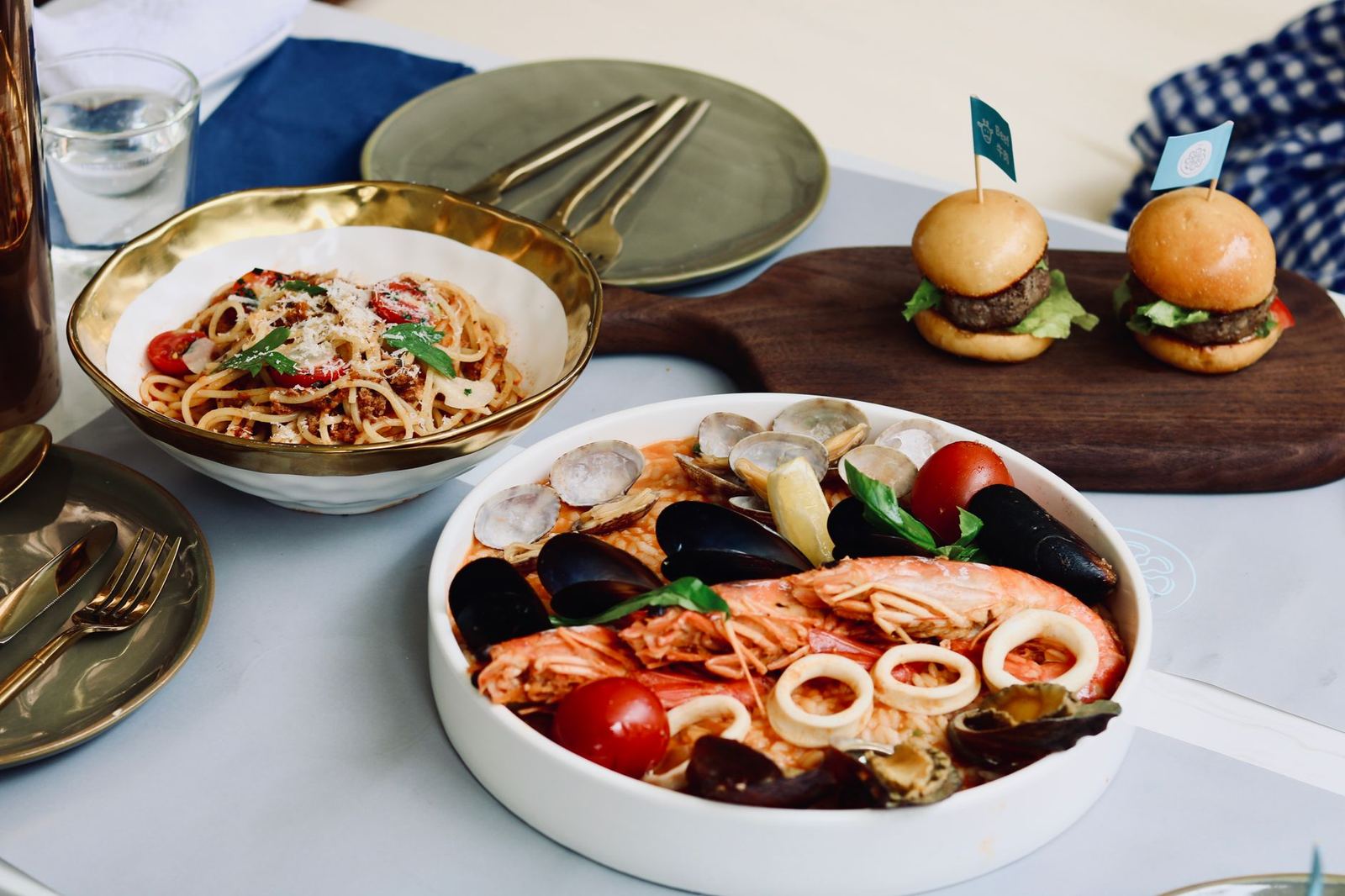
No other fish shows the range of the coast as clearly as herring. It can be fried until crisp, cured in salt brine, soaked in vinegar or wrapped around a pickle. Each style has a home town and a typical side dish.
The sources describe a clear pattern. Fried herring belongs to festival tables and home kitchens, cured herring to market stalls and jars, and rolled herring to the preserved-food tradition. Seen together, they show how one fish was stretched across the seasons.
The logic comes down to supply. Herring was readily available to both the wealthy and the poor, but in the fish’s off-season it became less plentiful, so preservation methods were developed. Pickling became a very common way of storing and transporting herring before people had easy access to freezing techniques, according to the same Tasting Table article.
Fried herring and the Wismar festival
On the first morning of the festival, National Geographic’s writer found one fisherman serving customers directly from his moored fishing boat and another from the docks at the Old Harbour in Wismar. The setting is as plain as the food: stacked crates, a heap of plastic bags and a blackboard scrawled with a single word, herring.
Wismar’s annual two-week herring festival, described by National Geographic, opens with fishermen selling fried herring with sliced white bread and bottles of beer. Three herring also appear on the city’s coat of arms, which shows how closely the town ties itself to the fish.
The same feature quotes chef Anne Werth, one of the festival’s organisers, on her signature dish: “I use rye flour rather than wheat to make the skin crispy.” She serves fried herring with stewed apple and onion, or with fried potatoes and crunchy, salty cubes of bacon.
Her festival menu also lists herring schnitzel with fried egg, beetroot and mash. Another plate in the article is herring preserved in a sweet and sour brine of sugar and vinegar, bay leaves, mustard seeds and allspice, then browned in a pan. It arrives cold, garnished with rings of red onion and a small bowl of fried potatoes.
Fried herring with potatoes is also plain home cooking on this coast. Local guide Klaus Lass recalls that as a child in the GDR he would run home at lunchtime and his mother would make fried potatoes with herring.
Taken together, the sources offer four ways to serve fried herring:
- Plain, with sliced white bread and a beer, as at the festival tent.
- With stewed apple and onion, or with fried potatoes and crunchy bacon cubes.
- As a herring schnitzel with fried egg, beetroot and mash.
- Pickled first in a sweet and sour brine, browned in the pan and served cold.
The last option is the odd one out because it arrives cold, yet it shows how pickling and frying overlap on this coast. Werth’s rye flour tip is about one thing: a crispy skin.
Matjes and Bismarckhering
Matjes is made from young herring cured in brine, and the Lopesan blog says it stands out for its delicate and tender texture. In Warnemünde it sits in plastic tubs at the fish market, beside rollmops and little fried sprats.
Bismarckhering takes a sharper line. The same blog says it adds a sharper note thanks to its vinegar and onion marinade, so typical of the region.
You will meet matjes and its relatives in several settings:
- Fehmarn: the Lopesan blog calls herring the star ingredient of local cuisine, prepared in countless ways.
- Hamburg fish rolls: the fillings range from matjes and herring to mackerel and North Sea crabs.
- Labskaus: Hamburg’s tourism blog lists matjes or rollmops among the garnishes.
If you want to serve matjes at home, the matjes herring recipe covers it step by step.
Rollmops
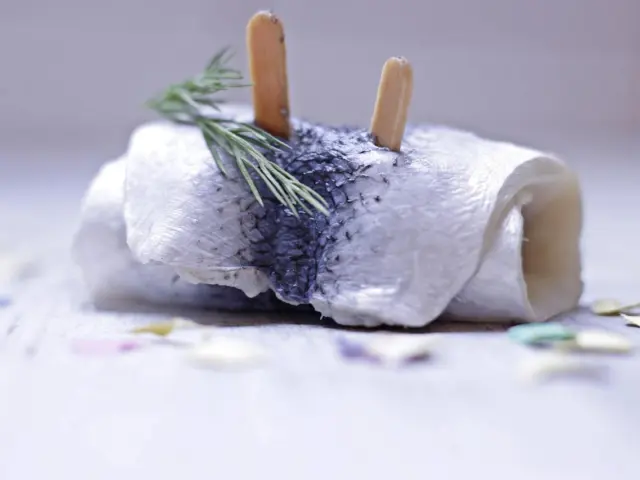
Rollmops are pickled herring fillets rolled into a cylinder around savoury fillings such as onions or pickles, according to Tasting Table. They are pierced with a skewer and kept in jars in a brine of water, white vinegar, sugar, salt and spices.
Preparation takes patience. The same article says you need to set aside at least three days to pickle the fish, and homemade rollmops can be jarred for up to 10 days.
Rollmops have a long history as a transportable food. Tasting Table says they were often displayed in pubs in large glass cases, or hunger towers, which were a focal point of sales in the old days. You will still find tubs of them in Warnemünde, next to matjes and little fried sprats.
Railways helped the dish travel. Tasting Table says rollmops grew as a popular German dish and were considered a claim to fame of Berlin, and that their fame rose further because pickled fish could easily be transported from the sea in wooden barrels.
You do not have to make them from scratch, because rollmops can be purchased in jars. The fish are typically stuffed, pierced with a cocktail skewer and placed ready-made in the jar, whether a producer or a home cook does the work.
The brine of water, white vinegar, sugar, salt and spices has a sweet-and-sour balance much like the brine in the pan-browned herring Werth serves, which adds bay leaves, mustard seeds and allspice. That shared logic is why a sharp, pickled flavour pairs so naturally with fried potatoes and raw onion on this coast.
The rollmops recipe covers the full method. Rollmops also turn up as a classic partner for Labskaus, as the hot dishes section explains.
Fischbrötchen and harbour snacks
A Fischbrötchen is a bread roll stuffed with fish, as deutschland.de puts it. On the North Sea coast, the rolls come with fillings such as different varieties of pickled herring or North Sea prawns. Towns like Büsum, Bremerhaven and Greetsiel are named as places to eat one with a view of the sea.
On the Baltic side, the Lopesan blog calls the Fischbrötchen the most iconic bite in Fehmarn’s harbour of Burgstaaken: a crusty bread roll filled with fresh fish. In Warnemünde, National Geographic describes domed glass counters crammed with rows of pickled herring sandwiches in shell-shaped buns.
Hamburg treats the fish roll almost as a way of life. Hamburg’s tourism blog lists these fillings:
- Matjes
- Herring
- Mackerel
- North Sea crabs
The same page says the main thing is fresh, and names Goedekens Kombüse near the fish market and Brücke 10 on the Landungsbrücken among the most popular places to get a fish sandwich in Hamburg. Treat those two as neutral examples, not endorsements.
Fresh fish is the one thing no recipe can fix. Before you buy for any of these dishes, read how to tell if fish is fresh.
To build a roll yourself, follow the fischbrötchen recipe. The sources suggest a simple formula: a good roll, one well-chosen fish and a sharp or salty topping, such as pickled herring or prawns.
Smokehouse fish
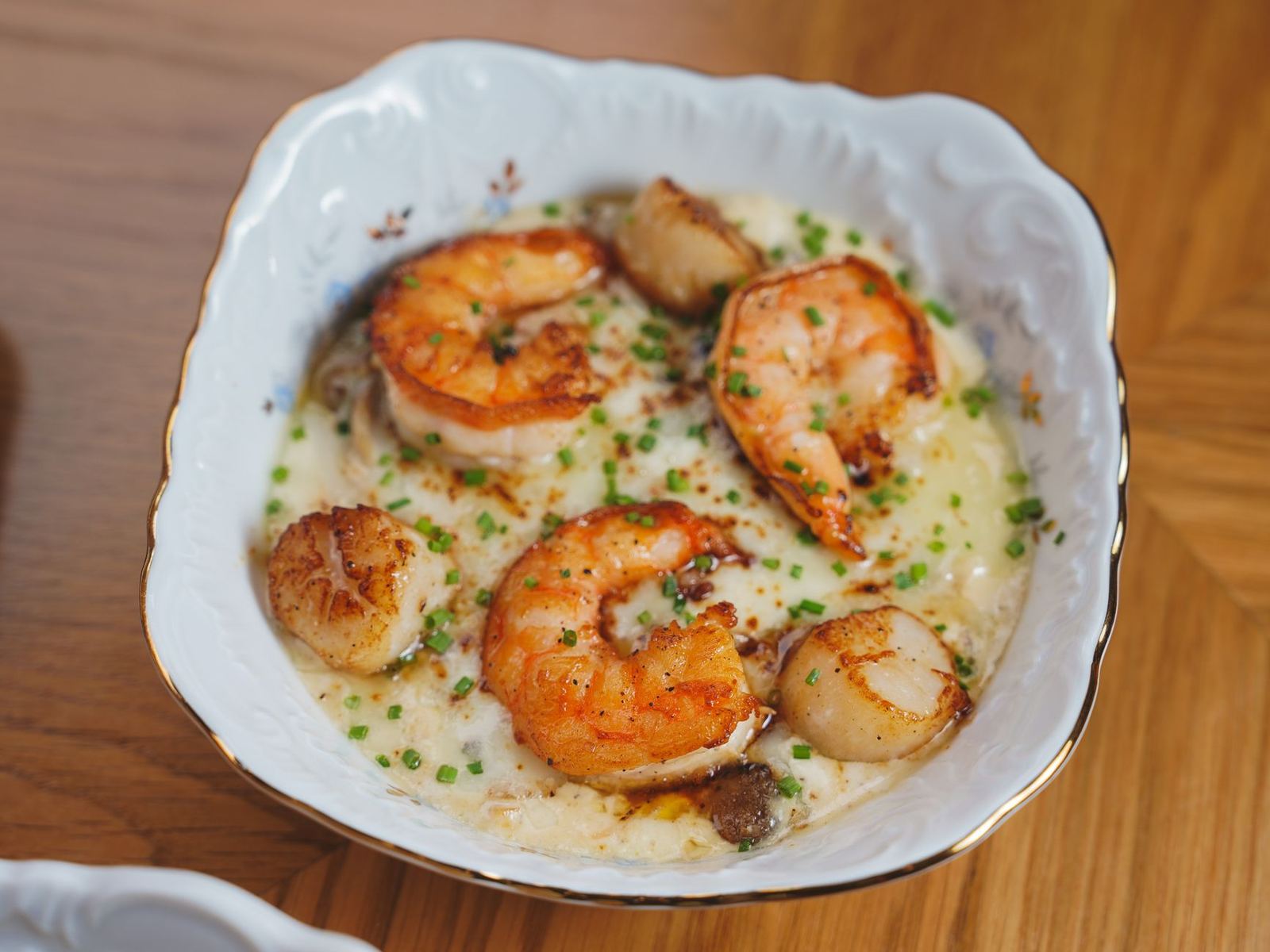
The Lopesan blog says that along the Schleswig-Holstein coast the aroma of the smokehouses (Räuchereien) is the best guide. There, salmon, eel and mackerel are slowly smoked over carefully selected woods such as beech.
The suggested way to eat it is simple: a piece of smoked fish while still warm, served with dark bread and butter. In Warnemünde, National Geographic notes that huge old metal smokers display fat, orange chunks of fish at the fish market.
Hot dishes: Labskaus, plaice and soups
Hot seafood dishes in northern Germany often began as sailors’ food or as a way to use leftovers. Those origins explain the potatoes, onions and mustard that show up again and again. These are the main plates to know:
- Labskaus: deutschland.de calls it a traditional seafarers’ dish made of potatoes, corned beef and beetroot, usually served with a fried egg, pickled gherkin and herring.
- Finkenwerder plaice: per Hamburg’s tourism blog, the plaice is dredged in flour, fried and topped with diced bacon, then served with fried potatoes.
- Pannfisch: fried or cooked pieces of fish served with fried potatoes and mustard sauce, once a leftover meal and now a popular Hamburg speciality.
- Hamburg eel soup: based on a ham bone, stock, vegetables and baked fruit, with an open debate about whether it should contain eel at all.
Labskaus and its herring partners
Tasting Table describes Labskaus as a mashed dish of potatoes, onions, beetroot and corned beef, with a vividly pink colour from the beetroot. It adds that rollmops are such a common side that many sources include them in the Labskaus recipe.
Hamburg’s tourism blog describes the same dish as mashed potatoes and salted meat garnished with onions, beet, fried egg and matjes or rollmops. The versions differ slightly from source to source, which is typical of a dish that grew up in many kitchens.
Soups, freshwater fish and shellfish
Soup is the natural home for the day’s small catch. The german fish soup recipe is the place to start for a spoon dish.
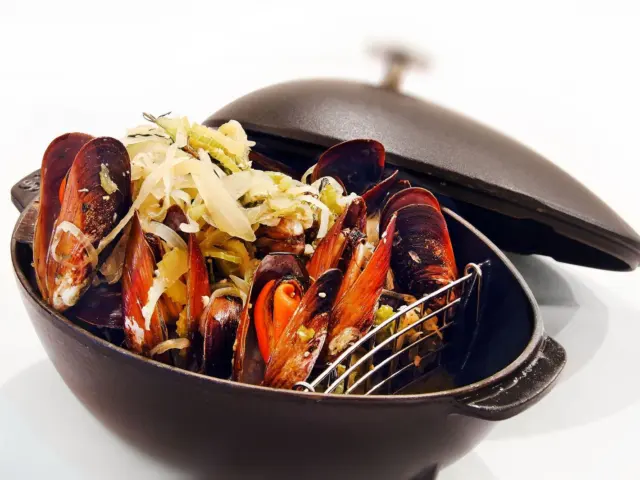
For a freshwater fish cooked in the pan, try the pan seared zander recipe. If shellfish is more your style, learn how to cook mussels in white wine.
These three recipes are not drawn from the regional sources above, so treat them as companions to the herring classics. They fit the same logic: few ingredients, fresh fish, and sides that soak up the juices.
Sea buckthorn and other coastal pantry partners
Seafood on this coast rarely arrives alone. The Lopesan blog says sea buckthorn (Sanddorn) is the shrub that defines the Baltic coast: its vivid orange berries grow wild in the dunes and are rich in vitamin C.
The same post says people on the island use it for jams, sharp and refreshing juices, liqueurs and teas. That sharpness is what makes it a natural partner for rich or oily fish. The sea buckthorn sauce for fish recipe turns the berry into something you can spoon over a fillet.
Other partners appear across the sources again and again:
- Potatoes: Lopesan notes they appear alongside almost every main course on this coast, and fried potatoes accompany fried herring, plaice and Pannfisch.
- Onion: raw rings, stewed with apple or fried, onion pairs with herring in nearly every account.
- Beetroot and gherkin: the Labskaus garnish and the rollmops filling.
- Mustard: the sauce for Pannfisch and the seeds in a sweet and sour herring brine.
- Bacon: diced and crisp on Finkenwerder plaice and on fried herring.
On the North Sea coast, deutschland.de adds a drink to the table. East Frisian tea is traditionally drunk with white rock sugar, known locally as Kluntje, and just a dash of cream.
Fishing quotas, stocks and planning a coastal trip
Herring is not as abundant as it once was. According to National Geographic’s April 2023 update, quotas are in place all across Germany’s Baltic coast because herring stocks have been producing fewer and fewer offspring, a result of historic overfishing and the warming of the Baltic Sea.
Dr Christopher Zimmermann of the Thünen Institute for Baltic Sea Fisheries told the writer it was likely to take six to seven years to get stocks back to a good amount, and unlikely previous levels will ever be reached again. In Warnemünde, guide Klaus Lass said there are 15 fishermen remaining, against 80 during the GDR.
The quotas have also changed how the small stalls work. National Geographic reports that small-scale fisheries in Warnemünde now have to buy in the ready-to-eat product. For a cook, that is a good reason to ask where fish comes from and to treat herring as a seasonal treat.
If you are weighing up a trip, the rügen travel guide covers the island side of a Baltic journey. For sit-down meals, read the baltic sea restaurants germany overview next.
Wismar and Warnemünde make a natural pair for a seafood-focused route. National Geographic notes that Wismar’s historic centre has UNESCO World Heritage status, and that Warnemünde’s fish market is a strip of mobile stands along a canal.
Frequently asked questions
What is the difference between matjes and rollmops?
Show answer
National Geographic describes matjes as fillets of young herring in salt brine. Rollmops, per Tasting Table, are pickled herring fillets rolled around fillings such as onions or pickles and kept in a brine of water, white vinegar, sugar, salt and spices.
How long do rollmops take to make?
Show answer
Tasting Table (Jan. 3, 2024) says you need to set aside at least three days to pickle the fish. Homemade rollmops can be jarred for up to 10 days.
What is Labskaus usually served with?
Show answer
deutschland.de describes Labskaus as made of potatoes, corned beef and beetroot, usually served with a fried egg, pickled gherkin and herring. Tasting Table says rollmops are such a common side that many sources include them in the recipe.
What goes into a Fischbrötchen?
Show answer
It is a bread roll stuffed with fish. Fillings named in the sources include pickled herring, North Sea prawns, matjes, mackerel and North Sea crabs.
Why do some Baltic fish stalls buy in their fish?
Show answer
National Geographic (last updated April 13, 2023) says fishing quotas mean small-scale fisheries in Warnemünde now have to buy in the ready-to-eat product. The quotas respond to herring stocks producing fewer offspring.