Staring at a northern German menu and unsure what to order? Your best traditional north german seafood dishes are Labskaus, Finkenwerder plaice, Pannfisch and herring in its many forms.
If you want the bigger picture of where to eat on the coast, start with the overview of baltic sea restaurants germany.
| Item | Key fact |
|---|---|
| Hamburg’s distance from the North Sea coast | Just under 100 kilometers |
| Labskaus base | Mashed potatoes and salted meat |
| Finkenwerder plaice preparation | Dredged in flour, fried, topped with diced bacon |
| Pannfisch is served with | Fried potatoes and mustard sauce |
| Wismar’s annual herring festival | Two weeks |
| Fishermen in Warnemünde | 15 remaining, versus 80 during the GDR |
These figures come from Hamburg Travel’s guide to local dishes and National Geographic’s herring feature. They can change, so check the source before you rely on them.
Labskaus: the sailor’s classic
Labskaus is the dish most visitors hear about first, and it suits a city shaped by ships. Hamburg Travel notes that Hamburg lies just under 100 kilometers from the North Sea coast and is one of the largest seafaring cities in Germany. Well-known seafaring dishes, it says, make up a large part of the city’s specialties.
The same guide describes the dish as mashed potatoes and salted meat garnished with onions, beet, fried egg and matjes or rollmops. Other write-ups vary a little: Epicure & Culture describes salted minced beef, onion and potatoes mushed with beetroot and topped with a fried egg and gherkin, while Tasting Table lists corned beef.
On a typical plate you can expect these parts:
- Mashed potatoes mixed with salted or corned meat and onion
- Beetroot, which gives the mash its red colour
- A fried egg on top
- Gherkin or beet as a garnish
- Rollmops or matjes herring on the side or on top
According to Epicure & Culture, sailors created Labskaus in the 16th century from the salted meats and other ingredients they had on hand. The origin of the name is not entirely clear. The same page adds that it has grown from a simple meal for peasants and seamen into a dish all classes of the northern German population can enjoy.
A Hamburg local quoted by Epicure & Culture says he only orders it at truly high-quality restaurants, because it is usually best home-made. Treat that as one person’s view, not a rule. It is still a fair reminder to pick a kitchen that clearly cooks the dish from scratch.
Plaice, Pannfisch and eel soup
Three more Hamburg classics sit comfortably beside Labskaus. Each is a plain, filling plate that grew out of everyday harbour-city cooking rather than fine dining.
- Finkenwerder plaice: named after the Hamburg district of Finkenwerder. The plaice is dredged in flour, fried and topped with diced bacon, then served with fried potatoes.
- Pannfisch: fried or cooked pieces of fish served with fried potatoes and mustard sauce.
- Hamburg eel soup (Aalsuppe): based on a ham bone, stock, vegetables and baked fruit.
Hamburg Travel says Pannfisch was formerly a leftover dish and is today a popular Hamburg specialty. Eel soup is also a leftover recipe, and the guide notes disagreement about the ingredients: with or without eel? Either way, it calls the soup worth a try.
If you see eel soup on a menu, ask whether it contains eel before you order, since both versions exist.
Herring and rollmops on the Baltic coast
On the Baltic side, herring is the star. National Geographic calls it a staple food on Germany’s Baltic coast for centuries and a vital resource for small-scale fisheries. In Wismar, three herring have a place on the city’s coat of arms, and the town hosts an annual two-week herring festival.
During that festival, a Wismar chef serves fried herring and uses rye flour rather than wheat to make the skin crispy. The article also describes herring preserved in a sweet and sour brine, browned in a pan and served cold with rings of red onion and a small bowl of fried potatoes.
At the fish market in Warnemünde, domed glass counters hold pickled herring sandwiches in shell-shaped buns, tubs of rollmops and matjes, and little fried sprats. The article defines matjes as fillets of young herring in salt brine.
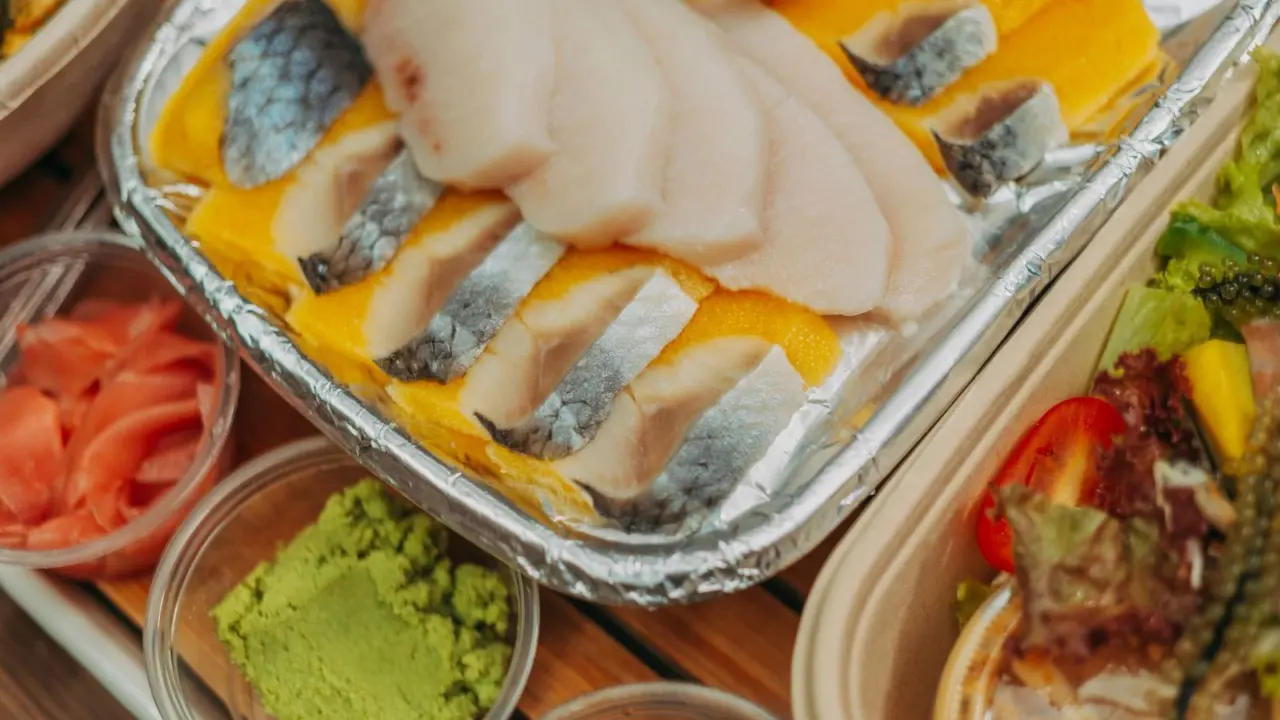
Rollmops are pickled herring fillets rolled around fillings such as onions or pickles. Tasting Table says they are kept in a brine of water, white vinegar, sugar, salt and spices, and that making them at home means setting aside at least three days to pickle the fish. It also notes that rollmops are such a common side for Labskaus that many recipes include them.
Herring is also under pressure. As of National Geographic’s April 2023 update, quotas in place all across Germany’s Baltic coast aim to address herring stocks producing fewer and fewer offspring. A Warnemünde guide quoted there says there are 15 fishermen remaining, against 80 during the GDR.
How do you put a tasting plan together?
The fish roll is the easiest way in. Hamburg Travel says the selection ranges from matjes and herring to mackerel and North Sea crabs, and that freshness matters most. If you want to know how ordering at a stand works, read the german fischbude guide.
A simple order of tasting works like this:
- Start with a fish roll filled with matjes, herring, mackerel or North Sea crab.
- On the Baltic coast, move on to a herring plate, fried or pickled.
- Choose Pannfisch or Finkenwerder plaice for a hot, filling meal.
- Finish with Labskaus and rollmops for the most traditional sailor’s plate.
Most dish descriptions above come from Hamburg-focused sources, so a kitchen further east may vary the recipe. To see which species show up on restaurant menus along the coast, read baltic sea fish on german menus.
Frequently asked questions
What is Labskaus made of?
Show answer
Hamburg Travel describes it as mashed potatoes and salted meat, garnished with onions, beet, fried egg and matjes or rollmops. Tasting Table lists potatoes, onions, beetroot and corned beef.
What is Pannfisch?
Show answer
Think of it as a hearty fish plate: pieces of fish, either fried or cooked, arrive next to fried potatoes with a mustard sauce on the side. The dish began as a way to use up leftovers, and Hamburg Travel now counts it among the city’s popular specialties.
What are rollmops?
Show answer
They are herring fillets that have been pickled and rolled up, usually around a piece of onion or pickle. Tasting Table describes ready-made versions kept in jars of brine, made with water, white vinegar, sugar, salt and spices. They also turn up often as a companion to Labskaus.
Does Hamburg eel soup always contain eel?
Show answer
Not necessarily. Hamburg Travel notes disagreement about the ingredients, with or without eel, and says the soup is based on a ham bone, stock, vegetables and baked fruit.