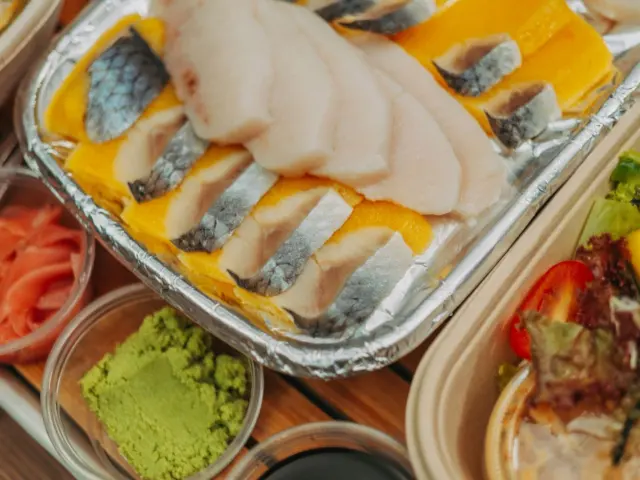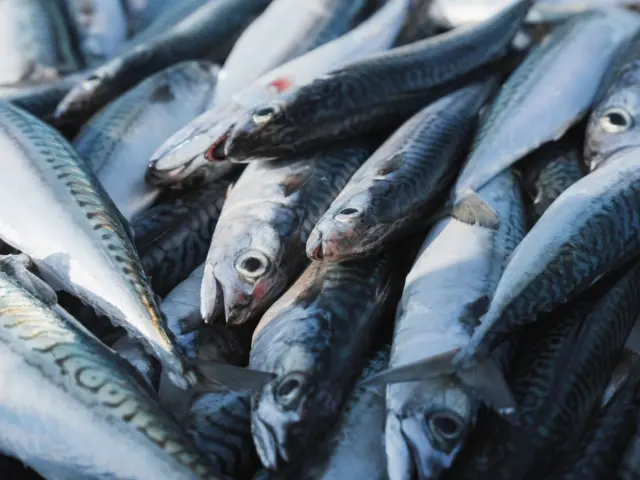
Wondering what to eat on your trip? The Baltic Sea restaurants Germany offers serve local catch: herring, plaice, zander and smoked eel. Order what is in season, and you will eat well from Schleswig-Holstein to Rügen.
| Item | Value |
|---|---|
| Baltic herring season | Spring and autumn |
| Herring spawning month | April |
| Hornfish (Maiaal) arrives in the shallow Bodden waters | May |
| Kappeln fish market | Last Sunday of the month, March to October |
| Kappeln eateries serving fish delicacies | Eleven restaurants and five fish snack stands (May 2023) |
These figures come from ADAC’s regional cuisine guide and a Schleswig-Holstein tourism press release from May 2023. Seasons, festivals and market days can change, so check the source before you rely on them.
What Baltic Sea restaurants in Germany have in common
The German Baltic coast stretches from Schleswig-Holstein to the islands of Usedom and Rügen. Its kitchens share one habit: they cook what the local cutters and lagoons deliver. That means the menu changes with the months, and the best plate is often the one the waiter tells you about.
This site is an independent editorial guide. It is not connected to any restaurant, fish shop or tourist board named here, and it does not take bookings, enquiries or reservations. Venues appear only as neutral examples taken from public sources.
According to Schleswig-Holstein Tourism, the cutters and coastal fisheries of the state find mainly cod, herring and flounder in their nets. Further east, ADAC’s guide to Mecklenburg-Vorpommern describes a coastal kitchen that is “more than just herring”. It adds that fish and meat are often combined in unusual ways.
Here is what you can expect to meet on menus along the coast:
- Herring in many forms, from fresh to marinated to smoked.
- Flatfish such as plaice and flounder, often straight from a nearby cutter.
- Lagoon fish such as zander and eel, which are especially common in Mecklenburg-Vorpommern.
- Smoked fish, from sprats to eel, sold at counters as well as in dining rooms.
- Hearty regional dishes that pair fish with meat, bread, fruit or potatoes.
If you want to know what each species is and how it tastes, our guide to baltic sea fish on german menus goes through them one by one. It is a good companion before you open a menu.
The plates behind those fish have their own history and logic. Our overview of traditional north german seafood dishes explains the classics you will see again and again.
Schleswig-Holstein: cutters, sprats and herring towns
Schleswig-Holstein’s tourism board says the treasures of the North Sea and Baltic Sea taste special whether they are smoked or marinated, grilled or steamed. It singles out Baltic salmon, which it says differs from the Atlantic varieties in its fine, white flesh. Both facts are on its fish and seafood page.
The best-known regional product is the Kiel sprat, a small, silver fish from the herring family. The same page explains that it is smoked over beech or alder wood. The board also names crabs and oysters among the treasures of the Schleswig-Holstein coasts.
The sprat is a good reason to look for smoked fish as a meal in its own right. Our notes on the räucherfisch smokehouse explain what to look for at the counter and how to order.
The tourism board also points visitors to a service that sends SMS messages about freshly caught fish straight from the cutter. If you are staying nearby, that is a practical way to learn when a boat has landed. It is a service of the region’s own fishing community, and this site has no connection to it.
Kappeln: a herring town on the Schlei
Some towns build a whole festival around one fish. In a press release from May 2023, the Schleswig-Holstein tourism agency said the Heringstage in Kappeln were returning to the harbour after a pause. The programme at that time included a herring bet and the proclamation of a herring king and queen.
The same release said the town’s fish market takes place on the last Sunday of the month from March to October. It also counted eleven restaurants and five fish snack stands serving fish delicacies in different variations. Treat those numbers as a snapshot from May 2023 and confirm them locally before you plan around them.
The release named several things to see in Kappeln:
- The herring fence, a local landmark on the Schlei.
- The Föh fish smokehouse.
- The museum harbour.
The agency described a guided town tour that passes these places. Check the current tour schedule with the town, because the release only reflects its own date.
Mecklenburg-Vorpommern: Boltenhagen, Wismar and the Bodden
Mecklenburg-Vorpommern’s tourism portal published a culinary tour of the Mecklenburg Baltic coast in March 2025. It follows a fisherman out of Boltenhagen on an autumn morning. The catch that day was plaice, mackerel and a few herrings, which the fisherman called typical autumn fish because the Baltic Sea was already below 13 degrees.
The same article carries a sobering line. The fisherman hopes for a good catch, “even if there are fewer fish every year”. For a visitor, that is a reminder to eat what is offered and in season, not to demand one particular fish.
On the way back, the fisherman said his fish is available at Fischereihof Kamerun, where the boat unloads. The article then follows the plaice into the kitchen of a hotel in Kühlungsborn. That is the shortest version of a coastal menu: a boat, a harbour and a stove within a short distance.
Examples of fish places along the Mecklenburg coast
Fish restaurant Blinkfüer in Boltenhagen is one example. Its own listing on the Visit MV site says it has served fresh fish, regional specialties and modern Baltic Sea cuisine since 1994. It also says the family marked its 30th anniversary in 2024. That is the venue’s own description, not an independent review.
In Wismar, the listing for a fishing company on the Old Harbour names cod, flounder, herring, salmon and eel as main species. It lists hornfish, eelpout and turbot as seasonal species. It also says the company’s fish eatery offers fresh fish, fish rolls, baked fish and smoked fish near the berth of its cutter.
Wismar has a drinking tradition too. The Visit MV magazine article says the clear favourite at the Brauhaus am Lohberg is the Wismarer Mumme, a dark strong beer still brewed to a traditional recipe. Around the year 1500, the article says, there are said to have been almost 200 breweries in Wismar.
A broader picture comes from the MVP holiday portal. It says fresh-caught fish is available in harbour towns along the Baltic, including Kirchdorf on Poel, Warnemünde and Wismar, and on islands such as Usedom and Rügen. It adds that the fish is also smoked and served in fish rolls.
Bodden fish: zander and eel
The shallow, slightly salty lagoons behind the coast give the region a second set of fish. According to ADAC’s regional cuisine guide, zander and eel grow well in the slightly salty water of the Bodden landscape. Both appear on menus across the region.
The guide suggests wine with zander and beer with eel, and now and then a North German caraway schnapps. It says eel is served in several traditional ways, including smoked, and that eel soup on Rügen is finished with butter and whipped cream.
The same guide notes some surprising pairings. It says Matjes herring is often combined with a bacon dip, and that labskaus, a dish of ground cured beef with beetroot, herring and mashed potato, is served with a fried egg. If you see such a plate, it is not a mistake; it is regional habit.
If you are heading further east, our page on seafood in stralsund continues the route. And if your plan centres on the island, the rügen travel guide covers the wider trip beyond the plate.
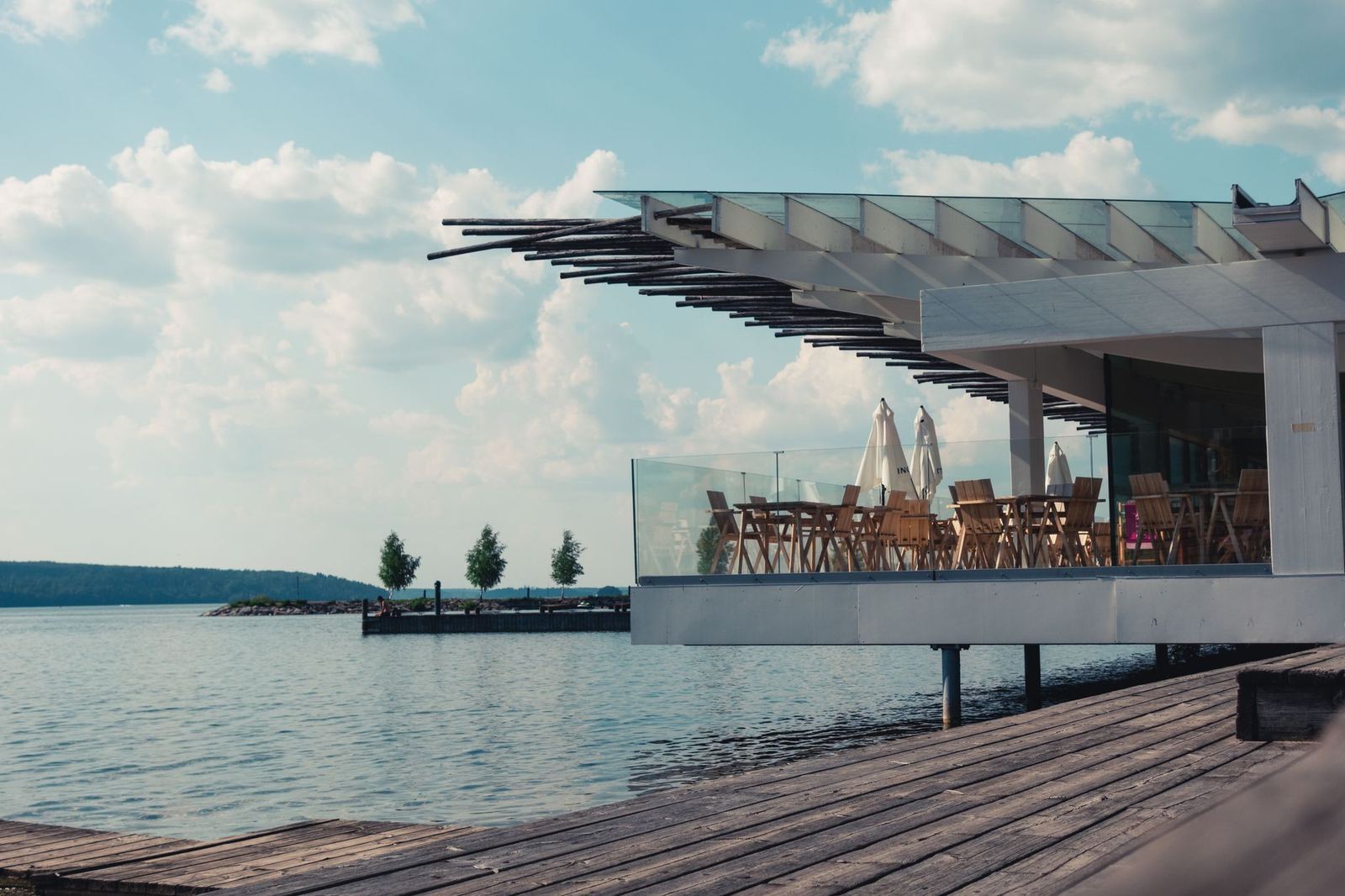
When to eat what along the Baltic coast
The calendar matters more than the postcode. ADAC’s guide says that spring and autumn are herring season, when the fish is fresh everywhere and offered in many preparations. It describes the Baltic herring as somewhat smaller than its North Sea cousin and prized above all as a smoked delicacy.
Here is how the guide and the other sources line up through the year:
- April: the guide says this is the herring’s spawning time. Usedom and Rügen celebrate herring weeks then, and Wismar and Warnemünde hold herring days.
- May: once the herring has spawned and moved on, hornfish move into the shallow Bodden waters. Locals call it “Maiaal”, or May eel.
- Summer: the sources in our pack do not name a single star fish, so ask what the boats landed that morning.
- Autumn: plaice, mackerel and herring were the typical catch in the Boltenhagen article once the water cooled.
Hornfish deserves a closer look. The ADAC guide describes its green bones and long, eel-like shape, and says its tender flesh is white and very delicate. It says the traditional pairing on the coast is mashed potatoes and rhubarb compote, and that Rügen holds hornfish days in May.
Do not be alarmed by the green bones; they are a feature of the fish. If a menu lists “Hornfisch” or “Maiaal” in spring, that is a seasonal cue to try it.
The Wismar fishing company’s listing agrees with this seasonal picture. It separates main species from seasonal ones and names hornfish among the latter. Seasons shift from year to year, so use these months as a guide, not a promise.
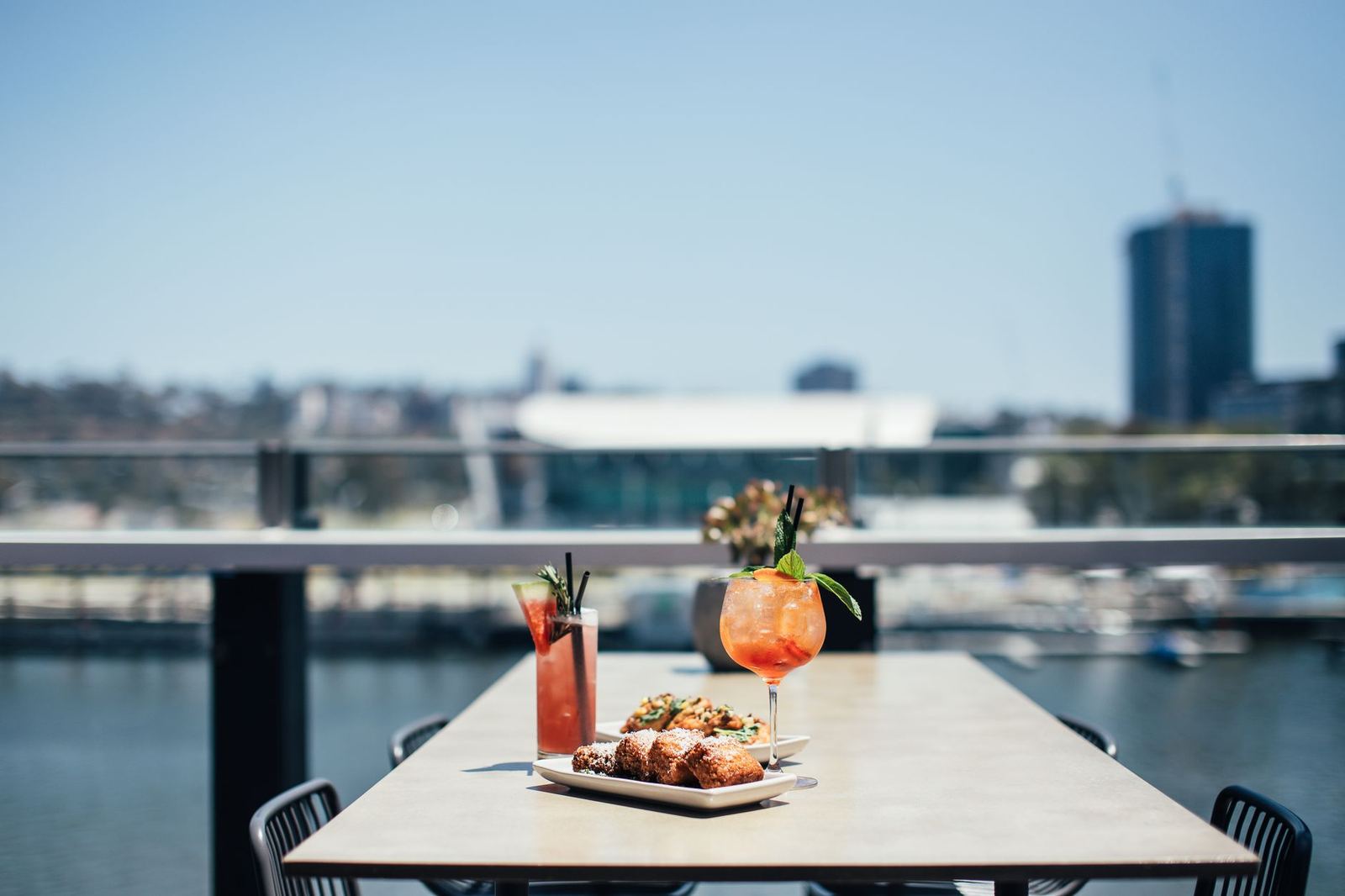
Fischbude, smokehouse or sit-down restaurant?
The coast offers three basic ways to eat fish, and each suits a different mood. A fish stand sells fish rolls and smoked fish to eat by the harbour. A smokehouse sells fish by weight or on a plate, and a restaurant offers a full seated meal.
The MVP portal says fish is smoked and offered in fish rolls, and also processed in connected inns and by caterers around the region. It describes a scene that runs from rustic pubs and farm shops to traditional country inns and top-level gourmet restaurants. That range covers different tastes and different budgets.
For a closer look at the stands themselves, read our german fischbude guide. It explains how ordering usually works and what the common items are.
Fine dining exists here as well. The MVP page lists Michelin-starred restaurants in places such as Binz on Rügen, Rostock-Warnemünde and the Baltic resort of Dierhagen. The page carries no date, so check a current guide before you plan a table around a star.
Practical habits that help
A few simple habits make eating by the Baltic easier. They are editorial suggestions, not rules from any of the sources:
- Ask which fish arrived that day and where it was landed.
- Choose the seasonal fish over the one you came expecting.
- Try one regional combination, such as Matjes with a bacon dip, before you stick to the familiar.
- Let the weather decide between a harbour-side roll and a seated lunch.
Menus can be a barrier if your German is limited. Our german menu fish vocabulary page lists the words you are most likely to meet. Keep it open on your phone at the table.
At the end of the meal, you may wonder what is expected. Our page on tipping in german restaurants explains the custom in plain terms.
Once you are back home, you can try to recreate what you ate. Our seafood recipes section is a place to start.
Choosing seafood with care
A restaurant on the coast can feel like the obvious sustainable choice, yet the picture is more complicated. The fisherman quoted by Visit MV says there are fewer fish every year. His line comes from a single article, so it is a personal view, not a statistic.
The MVP portal says chefs in Mecklenburg-Vorpommern rely heavily on regional, seasonal and sustainable thinking. That is the portal’s description of the scene, not a certification. When you want something firmer, labels can help.
Our explainer on sustainable seafood labels germany shows how to read the marks you see on packaging and menus. Use it alongside your own questions to the staff.
A final habit: choose fish from the small list of local species. Cod, herring, flounder, plaice, zander and eel all appear in the sources above. Ordering what the local boats and lagoons actually produce is the simplest way to eat like the coast.
Frequently asked questions
What fish should I try first on the German Baltic coast?
Show answer
Start with herring, which ADAC’s guide calls a delicacy especially when smoked, and then try a flatfish such as plaice. In Mecklenburg-Vorpommern, add zander or eel from the lagoons.
When is the best time for herring?
Show answer
ADAC’s regional cuisine guide says spring and autumn are herring season. It says April is the spawning month, and that Usedom, Rügen, Wismar and Warnemünde mark it with herring weeks or days. Check local dates before you travel.
What is Maiaal?
Show answer
Maiaal, or May eel, is the local name for hornfish. The ADAC guide says it enters the shallow Bodden waters in May and is traditionally served with mashed potatoes and rhubarb compote.
How is Baltic salmon different from other salmon?
Show answer
Schleswig-Holstein’s tourism board says Baltic salmon differs from the Atlantic varieties in its fine, white flesh. It lists it among the particularly prized specialities of the region.
Does this site book tables or recommend one restaurant?
Show answer
No. This is an independent editorial guide with no booking service, and it is not connected to any venue it names. Contact a restaurant directly and check its current details.