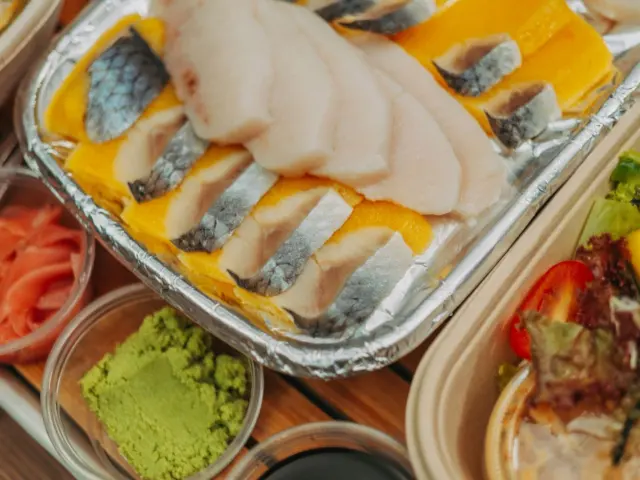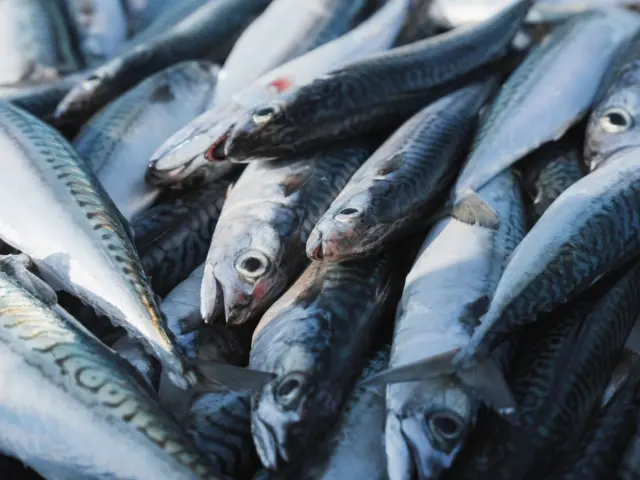
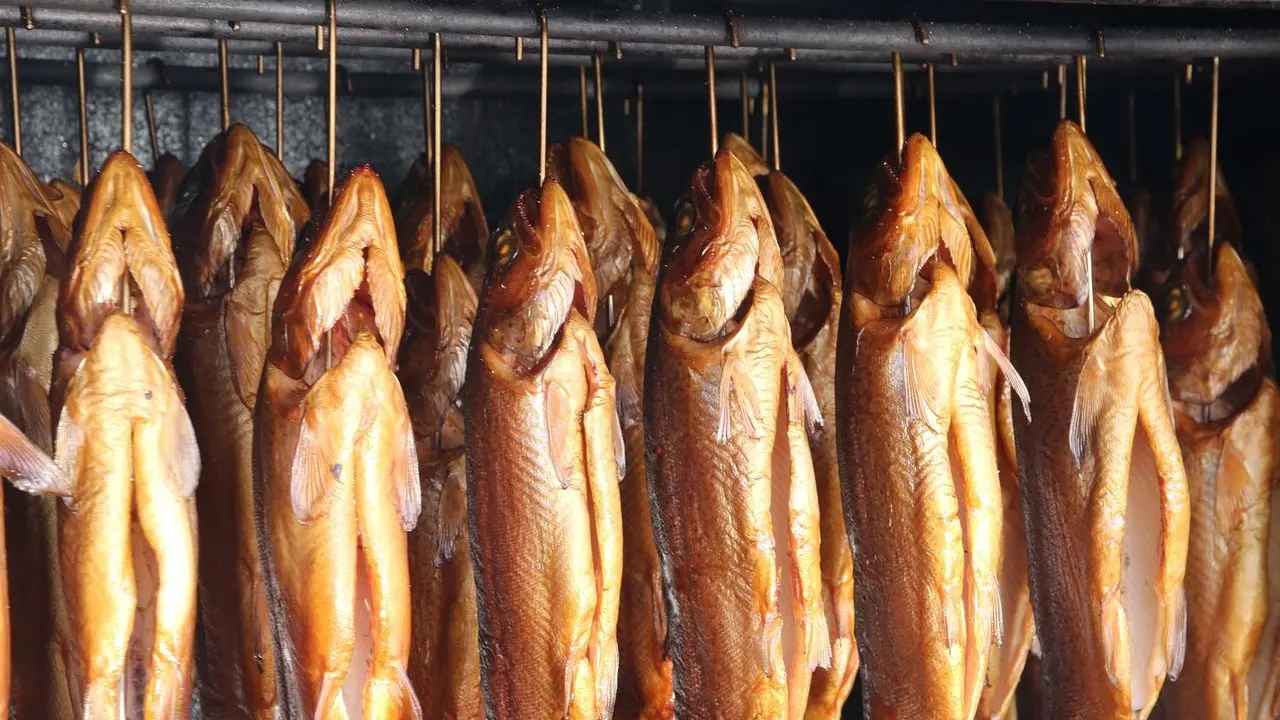
Standing at a räucherfisch smokehouse counter and unsure what to order? Hot-smoked fish is tender and juicy, cold-smoked fish is firm, and both taste best fresh from the smoke.
A smokehouse stop is one part of a day by the water, so the full list of baltic sea restaurants germany is a good place to plan the other meals.
| Item | Value |
|---|---|
| Hot smoking temperature | 70 to 150 °C (core above 60 °C) |
| Cold smoking temperature | 25 to 30 °C |
| Cold smoking duration | one to three days |
| Salt in hot-smoked fish | 1.5 to 2.5 percent |
| Salt in cold-smoked fish | four to eight percent |
| Smoked fish eaten per person in Germany, 2017 | 11 kg |
The figures come from the Yumda encyclopedia entry on Räucherfisch and the trade magazine Die Fleischerei, issue 6/2019. They can change, so check the source before you rely on them.
Hot-smoked or cold-smoked: what is the difference?
The smoking method decides almost everything about texture. In hot smoking the fish meets fresh smoke at 70 to 150 °C, with the core above 60 °C, according to the Yumda entry on Räucherfisch.
The trade magazine Die Fleischerei describes hot-smoked fish as aromatic and smoky, with tender, juicy flesh. It also warns that fish left too long in the smoke dries out, which is why timing takes experience.
Cold smoking works at 25 to 30 °C and lasts one to three days, as the Yumda entry explains. The same trade magazine adds that the fish lie in smoke below 30 °C, dry slightly and end up with firmer flesh and a more intense flavour.
Here is how the two styles look at the counter:
- Hot-smoked: soft, juicy flesh, typically Bückling, mackerel, smoked eel and trout.
- Cold-smoked: firm texture that can be sliced very thin, typically smoked salmon, salmon trout and Lachsmakrele.
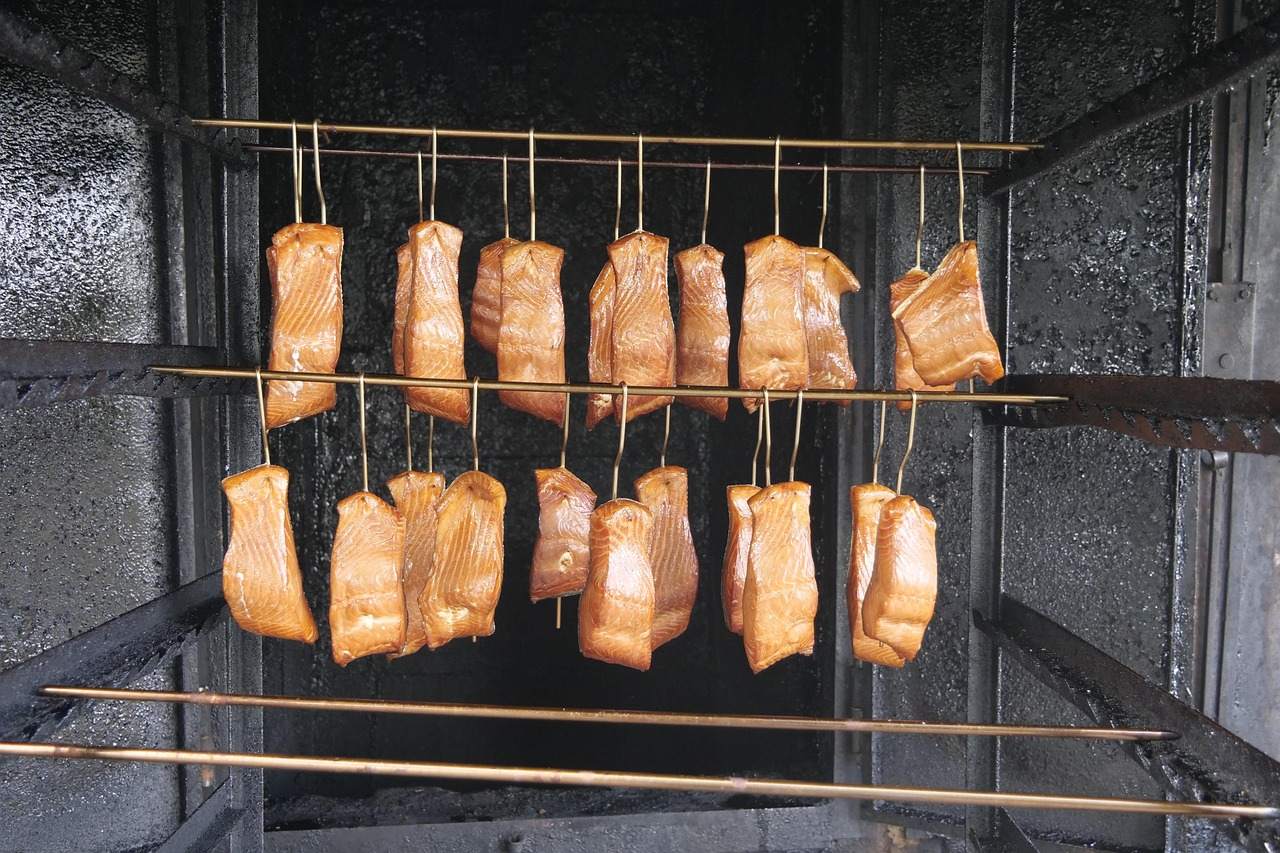
- The salmon trap: Räucherlachs is a whole side, cold-smoked, while Stremellachs is cut into strips, brined and hot-smoked.
The Die Fleischerei article adds that classic Stremellachs starts with pre-cooking in hot smoke at 60 to 100 °C, followed by finishing in cooler smoke.
What to order at the counter
Start with fatty fish. The trade magazine says fish with a medium to high fat content suit smoking best, while lean fish dry out quickly.
The same source lists typical hot-smoked products, which makes a handy shopping list:
- Stremellachs, the hot-smoked salmon strips.
- Bückling, Makrelen (mackerel) and Räucheraal (smoked eel).
- Schillerlocken and schwarzer Heilbutt, which are rarer finds.
- Freshwater fish such as Forellen (trout), Felchen and Maränen (whitefish).
Bückling deserves a closer look. The Yumda encyclopedia entry on Bückling defines it as smoked herring with the head still on.
Cold-smoked products include Räucherlachs, Lachsforelle and Lachsmakrele. They taste best as wafer-thin slices with bread, salad or potatoes, and dips, sauces and horseradish round them off, according to Die Fleischerei.
If you would rather eat standing at a harbour hatch than sit down, the german fischbude guide is the natural next read.
Inside a Baltic smokehouse
Good smoking starts long before the smoke. The Visit MV tourism listing for a salmon smokehouse in Saal, Spezialitäten aus Lachs, says its fillets are seasoned in several stages, with maturing and resting phases lasting several days.
That listing, which is the smokehouse’s own description, also says it cold-smokes in special oak ovens. Depending on the weather, the process takes 35 to over 50 hours, alternating between smoking and resting phases, and only pure wood chips from untreated wood are used.
Smaller fish and hot smoking move much faster. Die Fleischerei notes that the smoking time depends on the size of the fish. The Yumda entry adds that traditional hot smoking uses special smoking ovens, such as the Altonaer Ofen, or smoking chambers.
Buying, storing and eating smoked fish
The simplest rule is freshness. Die Fleischerei states that the fresher smoked products are, the better they taste.
The same article gives some useful background for your shopping bag:
- Hot-smoked fish contains 1.5 to 2.5 percent salt, cold-smoked fish four to eight percent.
- Smoked goods spoil quickly and must be kept well chilled, and vacuum packs extend shelf life.
- As of the 6/2019 issue, preservatives are not permitted in smoked fish products.
- In 2017 each German ate 11 kg of smoked fish, next to 12 kg of fresh fish.
Carry a cool bag if your smokehouse visit is the first stop of the day. When your route continues to Pomerania, the guide to seafood in stralsund picks up the thread with more fish to try.
Smokehouse rules and ethics worth knowing
Schillerlocken are the dogfish belly flaps that curl in the smoke. As of the 6/2019 issue of Die Fleischerei, dogfish was on the list of threatened species and no dogfish could be fished in the EU, although products from other countries could still be sold there.
That makes it worth asking where a Schillerlocke comes from, or choosing another hot-smoked fish from the list above, such as mackerel or trout. Rules change, so treat the magazine report as a dated snapshot and a reason to ask, not as a ruling you can rely on today.
A few plain questions at the counter cover most of the ethical and practical ground:
- Which species is it, and where does it come from?
- Is it hot-smoked or cold-smoked, so you know what texture to expect?
- How fresh is this batch, given that fresher smoked fish tastes better?
- Is it chilled properly, and would a vacuum pack travel better?
Bückling comes with a label rule. According to the Yumda entry on Bückling, the innards (roe, stomach, intestine and milt) can carry nematodes, so since 1987 sale in Germany has required a note saying it might contain them.
The same entry says preparing whole fish was traditionally common, which is why the innards matter for the label. It also says the herring catch is used from February to November within legal closed seasons, while Bückling is on sale all year because frozen fresh fish is used as well.
None of this should put you off a visit. Staff at a good smokehouse expect curious questions, and a short chat about species, smoke type and freshness is the easiest way to leave with fish you will actually enjoy.
Frequently asked questions
Is hot-smoked or cold-smoked fish better for a first visit?
Show answer
Hot-smoked fish such as Bückling or trout is tender and juicy, so it suits most first-timers. Cold-smoked salmon is firmer and sliced thin, which fits bread and salad.
What is the difference between Räucherlachs and Stremellachs?
Show answer
Räucherlachs is a whole side of salmon that is cold-smoked. Stremellachs is cut into strips, brined in water, salt and spices, and hot-smoked, according to Die Fleischerei.
How should I store smoked fish?
Show answer
Keep it well chilled, because smoked goods spoil quickly. Vacuum packaging extends shelf life, but the fresher the fish, the better it tastes.
Why does Bückling carry a nematode note?
Show answer
The innards of herring can carry nematodes. Per the Yumda entry, German rules have required the note on such sales since 1987.