Standing at a Baltic harbour menu and unsure what Hering, Dorsch or Aal means? This german menu fish vocabulary gives you the answer: learn the key fish names and a few preparation words, and you can order with confidence.
This page is part of the wider guide to baltic sea restaurants germany, which covers eating out along the coast.
| Item | Value |
|---|---|
| Hering (herring): typical length | 20-40 cm |
| Hering (herring): maximum weight | up to 500 g |
| Matjes | Young-caught herring |
| Bückling | Smoked herring |
| Kabeljau / Dorsch: Red List status | Least concern (2025 German marine Red List) |
| Aal (eel): Red List status | Endangered (2025 German marine Red List) |
The figures come from the FIZ herring lexicon and the German Red List of marine fish, published in 2025. Figures can change, so check the sources before you rely on them.
Herring words you will see first
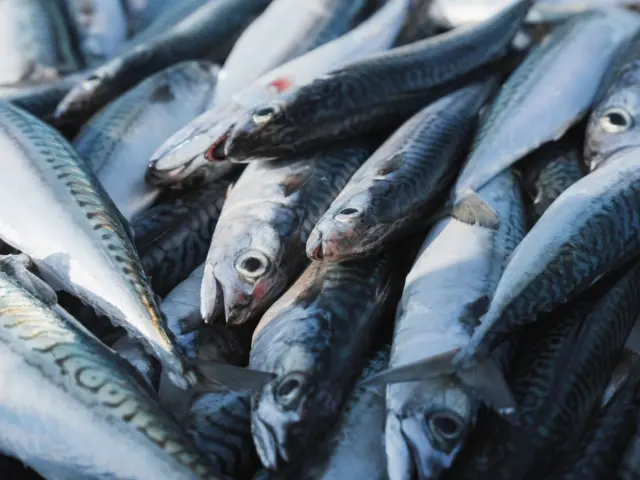
On a Baltic menu, Hering is the word you will meet most often. The FIZ herring lexicon describes it as a Schwarmfisch, a shoaling fish, that occurs in large numbers in the Atlantic and the Baltic (Ostsee).
Most herring dishes use a small set of fixed names. Learn these and a large part of the menu opens up:
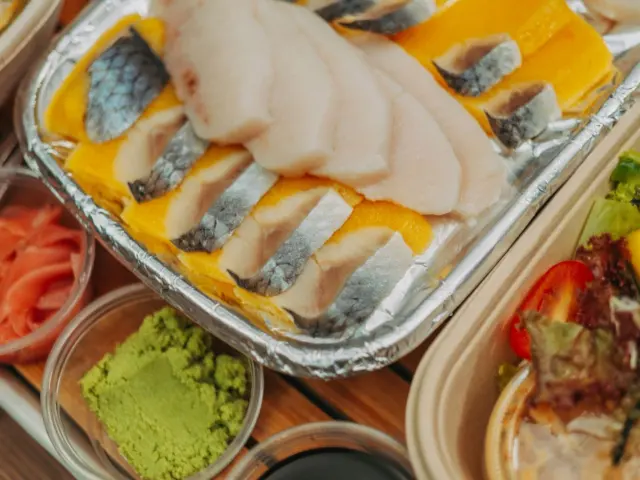
- Matjes: young-caught herring that is matured until it turns tender and mild, and a favourite in Germany.
- Bismarckhering: herring that is pickled (eingelegt).
- Rollmops: another pickled herring classic, named alongside Matjes and Bismarckhering as a best-known herring product.
- Bückling: smoked (geräuchert) herring.
- Fischbrötchen: a fish roll, one of the ways herring is served.
According to the FIZ herring lexicon, a herring is usually 20-40 cm long and weighs up to 500 g. Those are typical values for the species, not a promise about the fish on your plate.
The German Red List of marine fish, in its 2025 edition, calls the species Atlantischer Hering and rates it “Least concern”. You can check that entry in the Rote-Liste-Zentrum checklist.
Preparation words: how the fish reaches your plate
A fish name tells you what the animal is, but the preparation word tells you what you will actually eat. The herring lexicon from the FIZ lists the main ways herring is prepared, and the same words turn up for other fish.
- eingelegt: pickled, as in Matjes or Bismarckhering.
- geräuchert: smoked, as in Bückling.
- gebraten: fried.
- gegrillt: grilled.
- in Salaten: served in salads.
- im Fischbrötchen: served in a fish roll.
Read the preparation word first if you want a quick, cold plate or a hot one. Pickled and smoked herring are usually the cold choices, while fried and grilled fish arrive hot.
Fish names beyond herring
The German Red List of marine fish is a handy reference for names, because it pairs each German name with a scientific name. The 2025 edition covers the fish of Germany’s marine waters, and many of its entries are names you may see on a menu.
- Kabeljau or Dorsch: Gadus morhua, cod. The Red List gives both German names for the same species.
- Schellfisch: Melanogrammus aeglefinus, haddock.
- Seeteufel: Lophius piscatorius, monkfish.
- Kliesche or Scharbe: Limanda limanda, dab.
- Wolfsbarsch or Seebarsch: Dicentrarchus labrax, sea bass.
- Hornhecht: Belone belone, garfish.
- Sardelle: Engraulis encrasicolus, anchovy.
- Heilbutt: Hippoglossus hippoglossus, halibut.
- Roter Knurrhahn: Chelidonichthys lucerna, red gurnard.
Not every fish on that list is common in restaurants. The list assesses wild species and their threat status, so treat it as a naming guide, not a menu preview.
Why one German name can hide several fish
The European Commission keeps a database of commercial designations, and its list for Germany shows how loose a menu word can be. The entry Aal, for example, is listed with Anguilla anguilla, Anguilla dieffenbachii and Anguilla rostrata, so one German word can cover several eel species.
Names that start the same way can still be different animals. The same EU list has Aalmutter (Zoarces viviparus) and Aalquappe (Lota lota) as separate entries from Aal, which is Anguilla. A menu word that begins with “Aal” is therefore not automatically an eel.
Some names come with a condition. The EU list notes that the designation -Zunge for the Soleidae family, the soles, may be used only with an indication of the geographic origin. A name ending in Zunge should therefore come with a place of origin.
The list also covers shellfish. Abalone, for instance, is the commercial designation for the genus Haliotis, as shown in the same EU list for Germany.
What does a Red List status next to a fish mean?
You may meet Red List terms in fish guides, even if menus rarely print them. The German Red List of marine fish sorts species into categories, and a few examples show the range:
- Least concern: Atlantischer Hering, Kabeljau/Dorsch, Seeteufel, Wolfsbarsch/Seebarsch and Sardelle.
- Endangered: Europäischer Aal and Finte.
- Data deficient: Heilbutt.
The same page states that the German national Red List categories do not correspond with the international IUCN categories. It is a threat assessment for Germany’s marine waters, not a label printed on a plate.
Labels and certification logos are a separate topic, and the guide to sustainable seafood labels germany is the place to look when you want to know what those marks say.
Putting it together at the table
With the vocabulary above, you can read most fish lines on a menu in a few seconds. Work through the line in this order:
- Find the fish word, such as Hering, Dorsch or Aal.
- Read the preparation word: eingelegt, geräuchert, gebraten or gegrillt.
- Check for a scientific name or origin, especially with names that can hide several species.
- If a name is unfamiliar, compare it with the German names in the Red List and the EU list.
Once the plates are cleared, the next question is the bill, and the guide to tipping in german restaurants explains what is usual.
Frequently asked questions
What is Matjes?
Show answer
Matjes is young-caught herring that is matured so that it becomes especially tender and mild, according to the FIZ herring lexicon. The lexicon adds that it is especially popular in Germany.
What is the difference between Hering and Bückling?
Show answer
Hering is the fish itself, while Bückling is herring that has been smoked. The FIZ herring lexicon lists smoking as Bückling and pickling as Matjes or Bismarckhering.
Are Dorsch and Kabeljau the same fish?
Show answer
On the German Red List of marine fish, both names are listed for Gadus morhua. That means they point to the same species in that list.
Is Aal the same as Aalmutter?
Show answer
No. The EU list for Germany gives Aal as Anguilla and Aalmutter as Zoarces viviparus, so they are different animals.
Are Red List categories the same as IUCN categories?
Show answer
No. The Rote-Liste-Zentrum page states that the German national categories do not correspond with the international IUCN categories.